
Emotional regulation starts with you (but let’s be real about that)
Hi {{ first_name }},
This week, there is 1 thing I found myself saying to myself a LOT!
“I know I need to stay calm, but I’m absolutely running on empty”
And you know what... I bet I am not alone. So I thought I would share my experience with you this week. Because...
I see this all the time in the clinic with parents too, and in my own life with my friends and family.
We talk about emotional regulation, co-regulation, and the power of staying grounded…
…but what about the days when you’re just trying to make it through bedtime without losing it?
Here’s what I want to say:
👉 Emotional regulation doesn’t mean being calm all the time.
👉 It means being aware of your emotional state, noticing when you’re getting dysregulated, and having tools to bring yourself back to centre — with as much compassion as possible.
It’s a practice, not pressure or perfection.
And for parents of sensitive, deeply feeling or neurodivergent kids — who might be facing meltdowns, anxiety struggles, or aggressive behaviour on a daily basis — this is next-level parenting. I often use the phrase "Parenting Outside of the Ordinary".
That’s why I always start here:
Your emotional regulation is the foundation for everything else in your life.
Because when you’re overwhelmed, your child’s nervous system feels it.
And when you’re calm enough, it gives their body and brain a place to settle too.
This week, if you do one thing, try this:
Pause. Notice your breath. Put one hand on your chest.
And say to yourself:
“I’m allowed to feel this. And I can take a moment to steady myself.”
That one pause can shift everything.
I’ll be sharing more practical tools over the next few weeks, but for now, just know this:
You don’t have to get it perfect.
You just have to come back to yourself — again and again.
Speak soon,
Your Child and Adolescent Psychologist,
Lorraine x
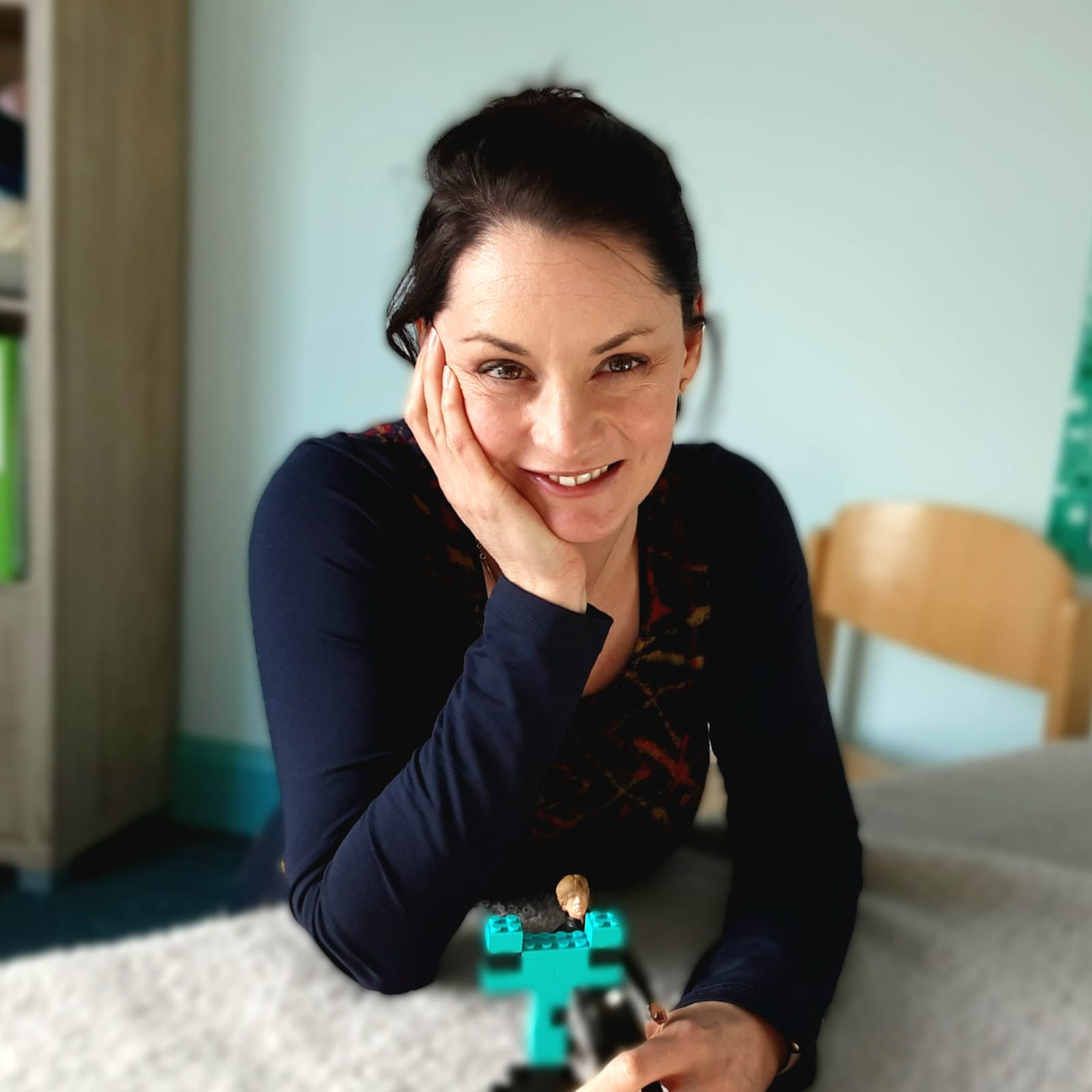
Lorraine O.B. Madden C.Psychol., Ps.S.I. M6672C
Chartered Child Educational Psychologist and Clinical Director of EPT Clinic
2022 Recipient of the “Contribution to Professional Practice” award from the Psychological Society of Ireland (PSI)
Current Chair of the PSI’s Special Interest Group in Neurodiversity
Psychology Traumatologist and Attachment Specialist
Member of the Special Interest Group in Autism PSI
Founder, EPT Clinic
@lorraine.madden_eptclinic | eptclinic.ie


Responses