
Dear Parents and colleagues,
I hope this message finds you well.
I wanted to take a moment to talk about a topic that often plays a significant role in our children’s lives, especially those who are neurodivergent: shame and the shield of shame.
Shame is a powerful emotion that can show up as a deep sense of being "not enough" or feeling unworthy of love and belonging. For neurodivergent children—whether they have ADHD, autism, or other differences—this feeling can be particularly intense. They may struggle to meet the expectations of a world that often doesn’t understand their unique way of being, and that can lead to feelings of shame.

Shame isn’t just a fleeting emotion; it can deeply affect how a child sees themselves. It can make them feel like they are the problem, rather than understanding that they are simply facing challenges in a world that doesn’t always align with their needs.
To cope, many children develop what psychologists call a "shield of shame." This can look like anger, defiance, withdrawal, or even perfectionism. It’s their way of protecting themselves from feeling exposed or inadequate. For example, a child who struggles to focus in class might become defensive or make jokes to distract from their struggles. Another might retreat inward, saying “I don’t care” or shutting down when faced with criticism. These behaviours can be misinterpreted as stubbornness or lack of motivation, when in fact, they are ways of managing a deeper hurt.
As parents and professionals, recognising this shield is key. It allows us to look beyond the surface behaviour and see the vulnerability underneath. It’s not about dismissing their actions but understanding that these reactions are often a form of self-protection. When we approach them with compassion and curiosity, we can start to help them feel safe enough to lower that shield, and instead of shame, they can build a sense of confidence and self-worth - (for those of you in our monthly membership, I just uploaded a pdf handout with more information).
If you ever find yourself wondering about your child’s behaviour, or if it feels like there's a wall between you, consider what they might be protecting themselves from. By offering a safe space to explore their feelings, we can empower them to grow and thrive as their true selves.
I’m always here to support you on this journey - you can access me weekly through our EPT Monthly Membership - (cancel any time) https://www.eptclinic.ie/neurodiversity-essentials-membership
If you have any questions or would like to chat further, please don’t hesitate to reach out.
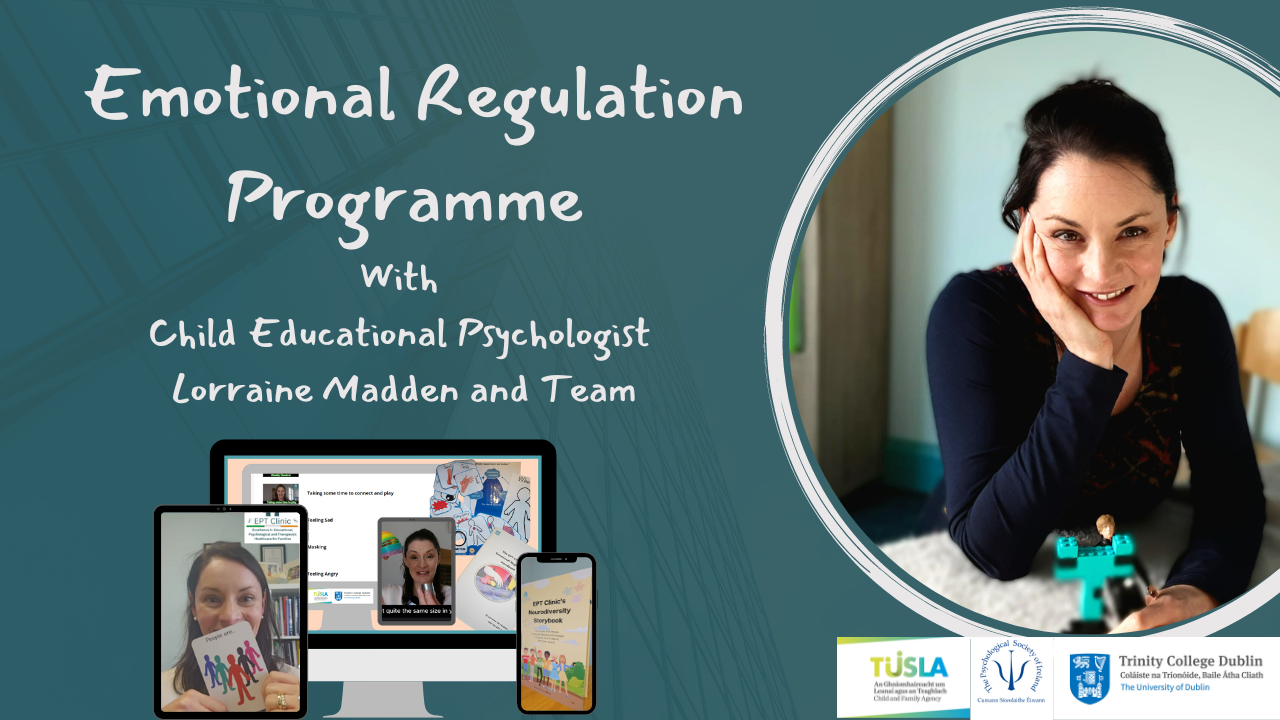
If you feel that your child would benefit from emotional regulation support, our 10 Week Emotional Regulation Programme will likely help.
Accepting referrals for January 2025 now: 👇
https://www.eptclinic.ie/emotional-regulation-programme
Warm regards,
Lorraine Madden


Responses