
Hi {{ first_name }},
So, this is a seriously big week for me... and it has been a journey getting here. I am jumping in the RDS again for the first time since I was 15 years of age (yep, that's more than 2 decades ago, it's been 24 years actually!)
As a child, I did a lot of horse-riding, showjumping to be specific. And it was something that I loved, but it was also something that was very important to my dad. He loved showjumping, so I loved showjumping. It was (and still is) our thing.
That's the thing about our children. They WANT to connect with us. If a sport, interest or hobbie can support that connection, well then, fantastic. If not, then I suggest that you have a think about other ways that you can connect with them, so that when you are in your 60s and 70s, you are still spending time together.
I still enjoy horses with my dad, it is still something that we have in common... and it still connects us. That's us below 👇 a few years ago. I had just gotten back in the saddle, riding a lovely grey horse after having my first baby.

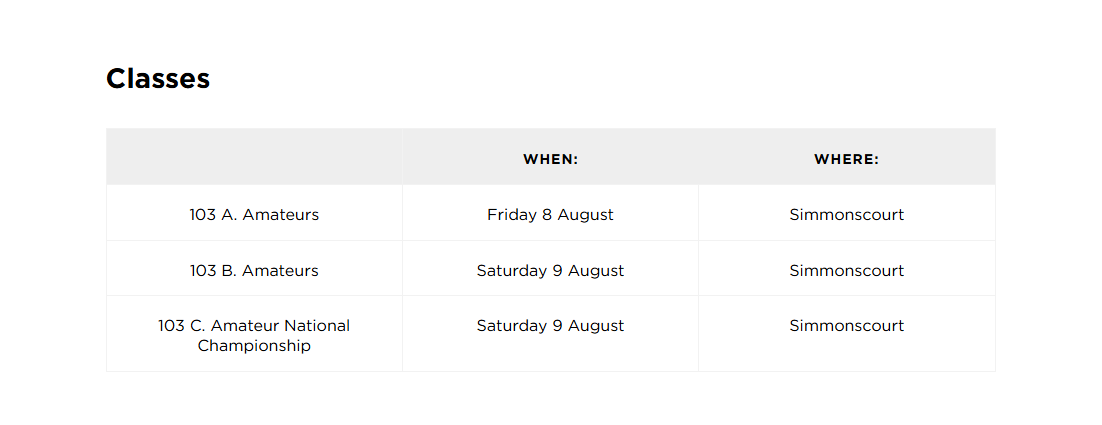
If you are at the RDS Dublin Horse Show this week, call over and say hello!
I will be competing in the Amateur Class on Friday evening and Saturday.
Now, back to this week's parenting support plan.
Something that has come up a lot with parents for me in the clinic recently is this:
"Am I being dismissive if I change the subject when my child is upset?"
Or, "Am I avoiding the feeling if I try to distract them?"
In other words, is it okay to use distraction as a parenting tool, or not??
And it’s such a fair question.
Here’s something to remember.
This week's Top Tip:
✨ When used correctly, redirection is not about avoidance, it’s about regulation.
Especially for neurodiverse children, holding big feelings can feel like trying to balance on a tightrope in a windstorm. Redirecting isn’t ignoring, it’s supporting the nervous system to step off the rope for a moment.
Sometimes, we come back to the feeling later.
Sometimes, we don’t need to because the wave has already passed.
This week, we have Assistant Psychologists Kate McCready and Siobhan Campion presenting a training on Using Redirection as a Parenting Tool.


They will provide both a neurotypical and a neurodivergent (autistic/ADHD) perspective.
If you want to learn more, the training is at the regular Membership Meet Up Time of 12:30 to 13:30 on Thursday.
If you haven't joined the membership yet, and wish to try it our for 1 month, here is the link:
Neurodiversity Parenting Membership.
Hope to see some of you in the RDS Dublin Horse Show!
I will let you know how it goes... I will be nervous!
Have a good week everyone, Happy Bank Holiday Monday.
Kindest regards,
Your Child and Adolescent Psychologist,
Lorraine Xx


Responses